Hustle Culture Can Literally Kill You 💔
We hear it everywhere: “Rise and grind,” “Never stop hustling,” “Sacrifice today for success tomorrow.” But what if this glorification of nonstop productivity is quietly draining your life force—and taking lives in the process?
Stress isn’t merely unpleasant. It is biologically lethal. And even for those who look healthy and are in their physical prime, unrelenting grind can wreak havoc on your entire system.
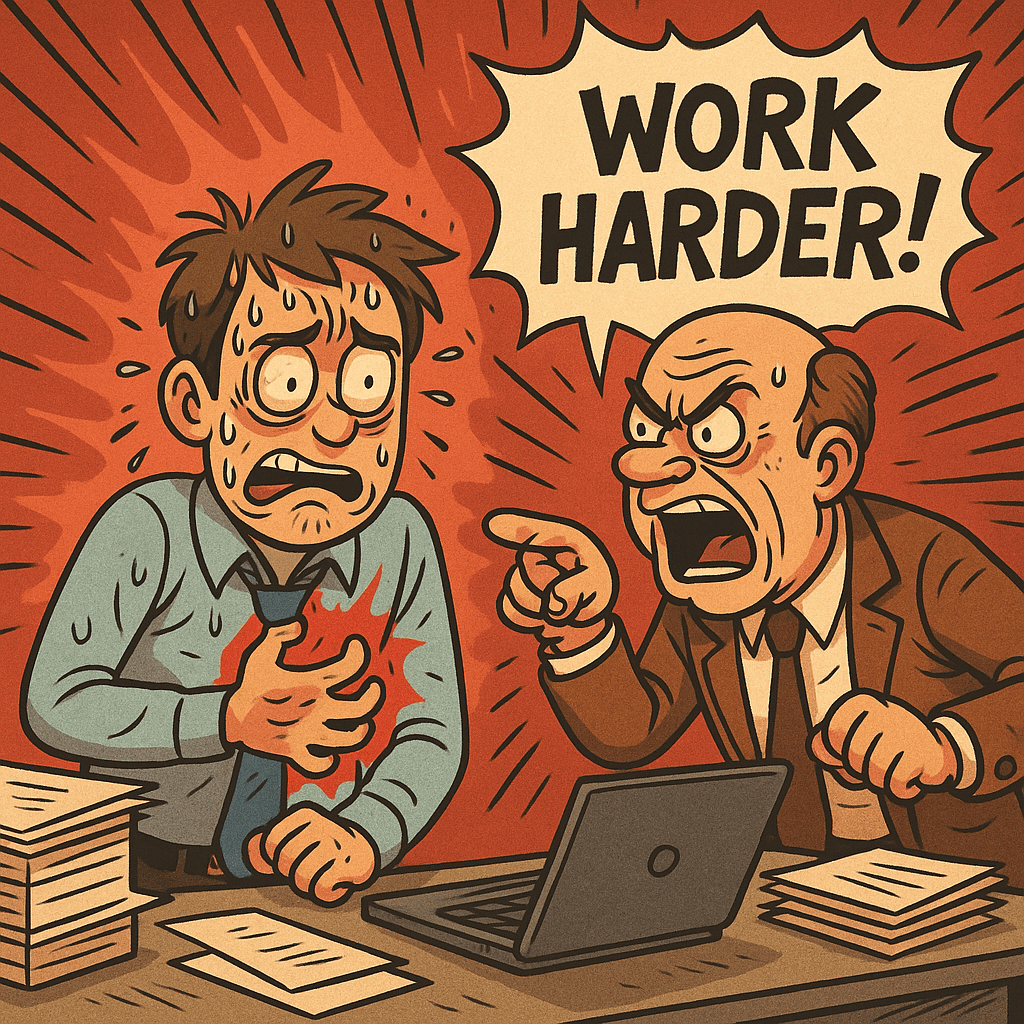
🧠 The Science: How Stress Hurts Your Heart
Multiple studies confirm that chronic job-related stress significantly elevates the risk of heart disease and stroke:
.A large meta-analysis linked job strain—high demand with low control—and long hours to moderately elevated risks of coronary heart disease and stroke
. Office workers facing high job strain and low reward had an 83% higher risk of atrial fibrillation, a condition that can trigger strokes
. The World Health Organization highlighted that working 55+ hours per week led to 745,000 deaths from ischemic heart disease and stroke in 2016—a figure that had surged 29% since the year 2000 .
Other landmark findings:
.Men reporting high job strain or effort-reward imbalance saw their heart disease risk increase by 49%, and double that when both factors combined—an impact comparable to obesity
. One study estimated that work stress alone increased chances of fatal heart attacks by about 23%
. Whitehall Studies from the ’60s–’80s revealed that lower-status and high-strain jobs had significantly higher rates of mortality from heart disease—even when accounting for risk factors like smoking and inactivity .
The scientific verdict is unanimous: Chronic workplace stress is a killer.
Tragic Real-World Examples
Karōshi – “Death by Overwork” in Japan & Korea
In Japan, karōshi refers to sudden death from overwork, commonly due to cardiac arrest or stroke. Its documented victims include:
A 29-year-old shipping clerk who suffered a stroke and died in 1969 after relentless long hours
. A graphic, heart-wrenching case: a 22-year-old nurse collapsed and died from a heart attack following five 34‑hour shifts in one month
. In Taiwan and Sweden, overwork deaths occur in various industries, with hundreds a year—despite supposedly protective labor laws .
Miwa Sado – A Modern Example
In 2013, 31-year-old NHK journalist Miwa Sado collapsed and died from congestive heart failure after recording an overtime total of 159 hours in a single month . This wasn’t an accident—it was a tragedy born of systemic overwork.
Acute Stress & “Broken Heart” Syndrome
Stress doesn’t have to build over years. Sudden psychological trauma can cause takotsubo cardiomyopathy, aka “broken heart syndrome.” More than 70–80% of cases follow a major stressor, whether grief, relationship breakdown, or job loss .
This can lead to temporary but severe heart weakness, chest pain, and in rare cases, death.
Real People, Real Stories
Beyond statistics and blurbs, these are human tragedies:
.In Quebec, a long-term study of nearly 6,000 office workers revealed a 97% increased risk of atrial fibrillation—even among those with high salaries .
.On the global stage, WHO/ILO data estimates that 745,000 people died in 2016 alone due to working 55+ hours per week, with that number expected to climb
. The Whitehall Studies spotlight stress from low control and low reward as killer factors—even in sedentary mental work—pointing to the psychological burden of powerless positions .
Why Hustle Culture Fails Us
Hustle culture celebrates:
. Endless work as a moral badge
. Skipping rest and even basic self-care
. Ignoring your body’s warnings until it’s too late.
But the human body is not a machine. We cannot autopilot through extreme schedules permanently. Chronic stress raises blood pressure, triggers inflammation, disrupts sleep and hormone systems, and accelerates atherosclerosis and arrhythmias .
Ignoring these signs isn’t dedication—it’s dangerous.
The Power of Rest: What the Science Says
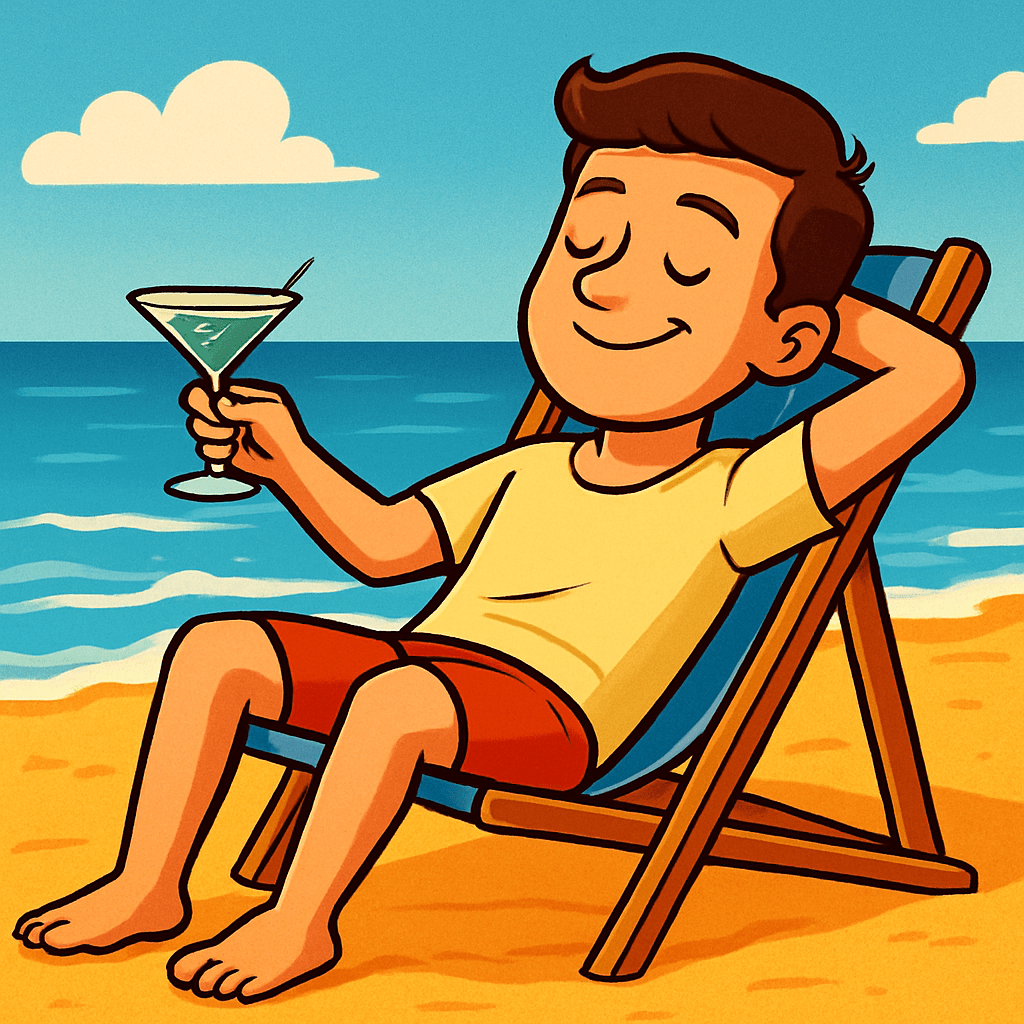
Rest is not optional. It’s protective, restorative, necessary.
1. Interrupt long work hours. WHO/ILO data warns that consistently pushing past 55+ hour weeks dramatically raises cardiovascular mortality .
2. Psychosocial balance matters. Reducing job strain and ensuring effort-reward equity has been shown to lower blood pressure and decrease heart disease risk
3 . Rest helps you restore. While acute stress reactions tend to fade, chronic allostatic load only decreases when we prioritize daily breaks, quality sleep, and leisure time
4 . Shoot for balance. The WHO emphasizes combining psychological recovery strategies (mindfulness, hobbies) with physiological recovery (sleep hygiene and physical rest) to build resilience .
A Balanced Day: Practical Breaks and Why They Matter
✅ Example Routine
. Morning rest ritual: 10-minute meditation or deeply breathing before even checking your phone
. Healthy work blocks: Apply the Pomodoro method—50 minutes on, 10 off. Stand up, stretch, drink water
. Midday pause: A full lunch break away from screens; ideally stepping outside
. Evening wind-down: Disconnect from work & hustle at least 2 hours before bed; allow for hobbies, social time, or reflection.**
✅ Longer Breaks That Matter
. Weekly reset: a half-day off (Friday afternoon or Saturday morning) to disconnect mentally
. Monthly mini-vacations: Long weekends mid-month
. Quarterly downtime: Two to five days to reset, especially during intense work periods.
Manager Wisdom: Why We Need to Block Off Rest
As a manager, I’ve watched this firsthand:
I used to refuse spontaneous days off. Now I approve them
. I’ve seen burnt-out employees return half-alive—and watched them come back as joyful, engaged, efficient professionals
. Stressed employees deliver mediocre results. Refreshed ones over-deliver.
A well-rested team is not only healthier—they are more creative, loyal, and enthusiastic.
What You Can Do Now
1. Track your hours. If you’re regularly clocking 55+ hour weeks, it’s time to reassess
2. Talk to your leader. Ask for predictable breaks, flexible schedules, or reduced weekend contact
3. Low-cost interventions:
. Micro-breaks at work—set reminders to stretch every hour
. Scheduled rest time on your calendar—personal appointments count too
. Offline blocks after work—no checking email or Slack
4 . Check your body. See a doctor for stress markers: blood pressure, cholesterol, arrhythmia symptoms
5 . Build recovery habits: exercise, sleep routines, hobbies, time with loved ones.
Final Word: Your Health Is Not a Side Hustle
You may be young, healthy, or even super fit. But high stress is a silent thief. It doesn’t care how you look—it cares about how hard your heart is working and how long you give it a break.
If you don’t listen to your body now, the consequences may be irreversible. You’re not just risking burnout—you’re risking real, medical emergencies: arrhythmias, heart failure, stroke, or sudden cardiac death.
This isn’t fear-mongering. It’s reality.
Please share this post. Talk to your bosses. Look after your teammates. And most importantly, give yourself permission to rest.
Because hustle is temporary—and your life shouldn’t be.
Refrences
• https://en.wikipedia.org/wiki/Effects_of_overtime?utm
• https://pmc.ncbi.nlm.nih.gov/articles/PMC4523692/
• https://en.wikipedia.org/wiki/Karoshi
• https://en.wikipedia.org/wiki/Karoshi
• https://en.wikipedia.org/wiki/Effects_of_overtime?utm_source=chatgpt.com
• https://time.com/4972787/death-overwork-japan-heart-stress/
 SILENT POWER
Leave a comment